




The Sexual Longevity Protocol
 0
0
Webinar hosted by Eve of PLEASEME
The Sexual Longevity Protocol is an educational workshop based on the home exercise program and lifestyle practices I share with patients experiencing sexual dysfunction, decreased sensitivity, low desire, erectile dysfunction, arousal difficulties, and changes in sexual wellness throughout different stages of life. In this class, we’ll explore how proactive sexual healthcare, blood flow, nervous system regulation, movement, self-care, and daily habits can help support healthy sexual function and pleasure for years to come.
We’ll discuss practical strategies and supportive tools that can be incorporated easily into everyday life, including the role of medications, therapies, and wellness practices when used together to address the root causes of dysfunction rather than simply masking symptoms.
Five Pillars, One Starting Point
Eve's protocol rests on five pillars: blood flow and vascular health; hormonal and physiological balance; pelvic floor and sexual function; brain, mindset and pleasure; and intimacy and lifestyle for longevity. This session focused on the first pillar, with some overlap into the brain and pleasure. She suggested the other pillars, including hormones and pelvic floor exercises, could each get their own future monthly session.
In her framework, sexual longevity does not mean lasting longer in bed. It means sustaining an enjoyable sex life across decades by improving desire, arousal, blood flow and function. These in turn shape confidence, the pleasure people give and receive, and intimacy with a partner or partners through every stage of life. Fittingly for the SDC audience, she acknowledged monogamy, polyamory and swinging as valid lifestyle choices within the fifth pillar.
Sexual Health as a Window Into Overall Health
Eve said people with active, fulfilling sex lives into their 70s, 80s and beyond live 3 to 7 years longer than those without, though she did not name a specific study. She also said research links a satisfying sex life to better immune function, relationship satisfaction and quality of life.
She shared figures to show how common sexual challenges are. According to Hall, about 30 million men in the U.S. experience erectile dysfunction (ED), and it is common worldwide. She said about 40% of men have some degree of ED by age 40, with the share rising roughly 10% per decade to about 70% of men in their 70s. Nearly 43% of women experience some form of sexual dysfunction.
Vaginal dryness affects about 17% of premenopausal women and becomes much more common after menopause, when dropping estrogen can leave vaginal tissue "papery thin." Her takeaway was that dysfunction is common with age but should not be feared, because many treatments exist.
How Blood Flow Shapes Arousal for Every Body
"Without blood flow, there is no sexual function," Eve said. Women experience engorgement, their own version of an erection, and that blood flow is also what creates natural lubrication. Poor circulation can dull sensation too, affecting both arousal and orgasm.
She also stressed the warm-up. Most women need 20 to 25 minutes of stimulation before penetration, which gives the vagina time to elongate and makes sex more pleasurable and less painful. "Our bodies were built for pleasure," she said, "but we have to understand how they work."
Closing the Orgasm Gap
Eve noted that in heterosexual relationships, men orgasm more often than women. She blamed media and porn, which focus on penetration and male pleasure while skipping warm-up and oral sex. In kink relationships, she said, the gap largely disappears thanks to the open communication that happens beforehand.
Her advice was practical. If a woman can orgasm in five minutes on her own but not with a partner, the key is sharing that self-knowledge in the bedroom. She also urged moving from performing to connecting. "The goal is to get into the body and connect authentically," she said.
Everyday Habits That Support Circulation
Nutrition plays a big role in Eve's approach. She recommended about 10 servings of fruits and vegetables a day, far above the average of 1.5, and personally endorsed taking a daily fruit and vegetable supplement. For an easy tip at home, she suggested watermelon, which contains citrulline, a compound she called a natural performance booster because it helps open blood vessels.
Eve also encouraged regular cardio, whether that's a brisk walk, a workout at the gym, a night on the dance floor or time in the bedroom. Stress raises blood pressure, which she called a "silent killer," so she urged attendees to keep it in check, with medication if needed. As for sleep, she recommended 7 to 8 hours a night, while admitting she usually gets closer to 6.
Use It or Lose It: Masturbation as Self-Care
Regular blood flow keeps genital tissue healthy and elastic, Eve explained. She compared masturbation to brushing your teeth and encouraged people to keep it up, even in a new relationship.
Several times a week is fine for most people, but for those with sexual issues, she assigns daily masturbation as homework. Warning signs for men include losing morning erections or struggling to stay firm, while women may notice dryness, reduced sensitivity, difficulty orgasming or painful sex. She added that frequent ejaculation is linked to a lower risk of prostate cancer.
When one viewer said he masturbates five times a day, she called it "not something shameful." With a nod to the SDC audience, she joked that both polyamory and masturbation are mainly limited by time. For more stamina, she recommends edging, which means pausing at the brink before starting again, a helpful tool for men dealing with premature ejaculation.
Pumps, Acoustic Wave Therapy and Building New Capillaries
Eve recommends that patients of any gender use a vacuum pump for 10 to 15 minutes a day, alongside daily masturbation. She compared it to weightlifting for blood vessels, since the suction holds blood in the genitals longer and encourages new capillaries. Better blood flow means improved sensitivity, lubrication, erections and orgasms.
She cautioned against one-size-fits-all pumps, which can be painful, and suggested choosing one with multiple cylinder sizes. Pumps designed for women often include cylinders for the vulva and clitoris.
She also called acoustic wave therapy the "gold standard" for ED and for reduced vaginal sensitivity and dryness. This drug-free, non-invasive treatment pairs well with pumping and is offered at many urology and physical therapy offices.
Medications, Rings and Other Tools: Band-Aids Versus Root Causes
Eve described ED pills as "a band-aid" that help for a while but don't address the root cause. She suggests using blood-flow medication as a boost before pumping and masturbation, and noted that women now have access to similar options.
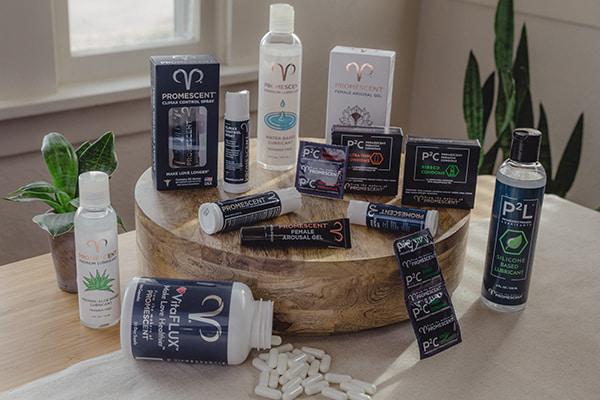
Lube is recommended at any age, "whether you're 20 or you're 90." For premature ejaculation, numbing sprays can help when applied 10 minutes before penetration so they don't transfer to a partner.
ED can be purely psychological, Eve noted, and physical issues often spark performance anxiety, so no single tool fixes everything. For men who haven't found help elsewhere, she called penile implants "a last resort" but "a great solution," and stressed disclosing an implant to partners for safety.
Reading the Body's Signals and Monitoring Hormones
Eve called nocturnal erections "like a vital sign of health," since losing them can be an early warning sign of heart trouble. Research does link ED to cardiovascular disease, so she suggested tracking nocturnal erections to set a baseline and measure progress.
Hormones form their own pillar, and Eve noted that hormone replacement therapy is an option for all sexes, adding that women need testosterone too. Answering a viewer's question, she said a testosterone level of about 700 is generally good, while 140 is very low. Anyone on hormones should get blood work about every 3 months and adjust until they feel good. When another viewer shared that his wife doesn't want longer sessions, she suggested coaching to find the root cause, noting that low estrogen can make sex painful.
Eve closed with a reminder that "sexual longevity isn't about waiting until something stops working." Instead, it's about investing in sexual health now for intimacy, pleasure, confidence and connection for decades to come.

Original webinar was live-streamed on SDC.com on July, 30th, 2026





 COMMENT